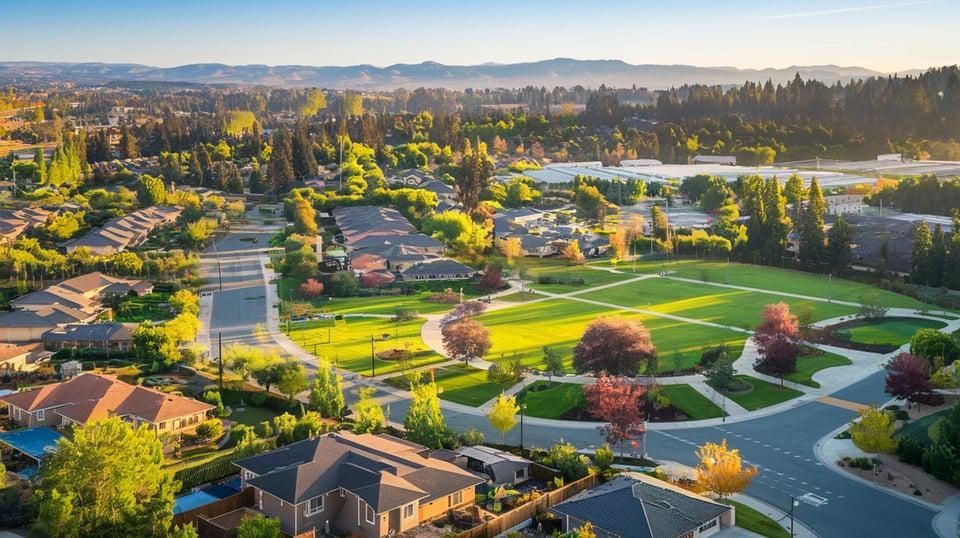


Northen California Real Estate After Elections: What to Expect and How to Act
Table of Contents
- Introduction
- Historical Patterns for Northern CA Real Estate After Elections
- Stocks First, Real Estate Follows
- How Interest Rates and the 10-Year Treasury Matter
- Why Fear Can Create Opportunity
- New Construction vs Resale in a Post-Election Market
- Builder Incentives and Solar
- Timing the Market vs Time in the Market
- Practical Strategies for Buyers and Sellers
- Negotiation Tips for the Current Market
- What to Watch in the Next 6 to 12 Months
- Conclusion
- FAQs
Introduction
The end of an election cycle often brings a pause. People hesitate, waiting to see policy outcomes, tax changes, or regulatory shifts. That pause translates into fewer home tours, delayed offers, and smaller deal volume. In short, Northern CA real estate after elections frequently feels quieter because buyers and sellers alike prefer to assess stability before making major financial moves.
That hesitation is normal and predictable. Rather than treating the post-election lull as a sign to sit on the sidelines forever, think of it as a temporary window where motivated buyers and sellers can find advantages. The decision to act depends on goals, timeline, and tolerance for change.
Explore the Local Areas. Search New Builds by Cities
Historical Patterns for Northern CA Real Estate After Elections
Studies from HUD and the National Association of Realtors show a recurring pattern: after the majority of presidential elections, home sales increased the following year. That historical trend doesn’t guarantee future performance, but it highlights an important point — voters and markets adapt, and housing often rebounds once uncertainty fades.
History shows that Northern CA real estate after elections tends to pick up as buyers regain confidence. If you are watching trends rather than headlines, the post-election year often brings renewed activity and increased transaction volume.
Stocks First, Real Estate Follows
Markets communicate signals in sequence. Stocks often lead, and real estate tends to lag. When equity markets rally — the S&P 500 reaching new highs, for example — consumer sentiment improves, household wealth grows, and buyers feel more comfortable making long-term purchases like homes.
That means you might see the S&P spike first, then a wave of demand move into housing weeks or months later. The reason is practical: gains in stocks increase disposable assets, reduce the friction for down payments, and make buyers more willing to accept long-term mortgage commitments.
How Interest Rates and the 10-Year Treasury Matter
Mortgage rates are closely tied to the 10-year Treasury yield. When investors move money out of Treasuries and into stocks, the 10-year yield rises, and so do mortgage rates. A few percentage points in mortgage rate movement can dramatically change monthly payments and buyer affordability.
Example: A 30-year fixed mortgage moving between 4.9 percent and 7.5 percent changes monthly payments significantly. That difference alters how much house a buyer can afford and whether builders need to offer incentives to make their communities attractive.
Because interest rates respond to inflation, job numbers, and macro policy, predicting the exact timing of rate moves is difficult. But understanding the connection between the 10-year Treasury and mortgage rates helps explain why Northern CA real estate after elections often sees shifting affordability and incentive strategies.
Why Fear Can Create Opportunity
When uncertainty increases, many prospective buyers wait. That hesitation reduces competition and creates opportunities for those willing or able to act. Fear in the market is often a signal that deals are available.
If you think of markets like a scale, emotions tilt one way or the other. When many lean toward fear, prices and incentives are frequently more favorable for buyers. Conversely, when optimism floods the market, competition heats up and incentives disappear.
New Construction vs Resale in a Post-Election Market
New construction behaves differently from resale homes. Builders control supply in specific phases and often use incentives to accelerate sales when demand is soft. That can include mortgage rate buydowns, closing cost credits, upgrades, and other concessions.
Resale inventory, on the other hand, is subject to seller motivations and local competition. If a resale home draws multiple offers, concessions vanish quickly. That’s why, in cooler periods after elections, builders can become the source of some of the best value propositions.
For buyers relocating to a growing region, new communities often offer entry points into desirable school districts and neighborhoods that will appreciate as phases develop. The catch: builders’ incentives are time limited. Once a community gains traction, incentives shrink.
Builder Incentives and Solar
Many builders adjust their packages to meet buyers where they are. In some California communities, solar systems now come included or are reflected in the home price due to state rules. That can be a meaningful line item, with solar values ranging from roughly $15,000 to $30,000 depending on house size.
Builders may combine included features with buyer-facing incentives such as:
- Mortgage buydowns(temporary or permanent rate reductions)
- Closing cost credits
- Upgrades or included appliances
- Fixed-rate offers via preferred lenders
These packages make buying a new home more affordable today and can increase initial monthly savings. But remember: incentives are negotiation points and can be scaled back as demand increases.
Timing the Market vs Time in the Market
Two important truths:
- It is nearly impossible to consistently time peaks and troughs. Missing a few big up days in markets can cost more than long-term exposure gains. The same logic applies to housing — the longer you hold a property, the more you benefit from mortgage paydown and compounding appreciation.
- Buying when markets feel fearful often yields better entry points. Waiting for absolute certainty can mean buying later at a higher price with more competition.
For example, the S&P 500 moved from about 4,967 to roughly 5,985 in a period, a substantial gain. Chasing momentum is tempting. But consistent investing and staying in the market historically outperform perfect timing attempts. That mindset maps well to Northern CA real estate after elections: steady ownership and a long horizon often beat trying to buy the exact bottom.
Practical Strategies for Buyers and Sellers
Whether you are buying a primary home or an investment property, your plan should align with your timeline and risk tolerance. Use these practical strategies for navigating Northern CA real estate after elections.
For buyers
- Prioritize affordability and monthly payment impact. A lower interest rate can mean hundreds of dollars monthly. Evaluate purchase price and rate offers together.
- Consider new builds for structured incentives. Builders can provide rate buydowns or credits that improve affordability immediately.
- Focus on long-term ownership. If your timeline is 5 to 20 years, small timing differences are less important than choosing the right home and financing.
- Get a local expert. A real estate professional who knows specific developments and builder programs can be worth their weight in negotiation leverage.
For sellers
- Price with market context. If demand is low immediately after an election, staging and realistic pricing help your property stand out.
- Be prepared to offer concessions if competition is weak. Seller credits or minor upgrades may close deals faster.
- Time upgrades to buyer expectations. Small investments in curb appeal and essential repairs often yield outsized returns in softer markets.
Negotiation Tips for the Current Market
Negotiation is part art, part preparation. Here are tactics that work well when activity is muted after elections.
- Ask for buydowns rather than price cuts. Sellers or builders may prefer offering a temporary interest rate buydown to increase buyer affordability without lowering list price.
- Bundle requests. Asking for one strong concession often gets better results than a long list of small asks.
- Use preferred lender relationships. Builders often respond to offers paired with certain lenders who can deliver advertised rates; use that leverage if it aligns with your interests.
- Look for phase-one opportunities. Early-phase lots and communities may still offer larger packages to attract the first wave of buyers.
What to watch in the next 6 to 12 months
Keep your eyes on these indicators when monitoring Northern CA real estate after elections:
- Mortgage rate trends. Any meaningful decline in the 10-year Treasury yield often precedes lower mortgage rates and increased buyer demand.
- Stock market moves. A sustained rally can bring buyer optimism and liquidity for down payments.
- Builder inventory and incentives. Watch whether incentives shrink as communities sell quickly; that signals rising competition.
- Local development activity. Areas in early phases with strong school districts often experience faster appreciation as infrastructure fills in.
One useful rule of thumb: an approximate 1 percent drop in mortgage rates can qualify several million additional buyers nationwide, which quickly increases competition. That dynamic makes current incentives and quieter market conditions potentially temporary.
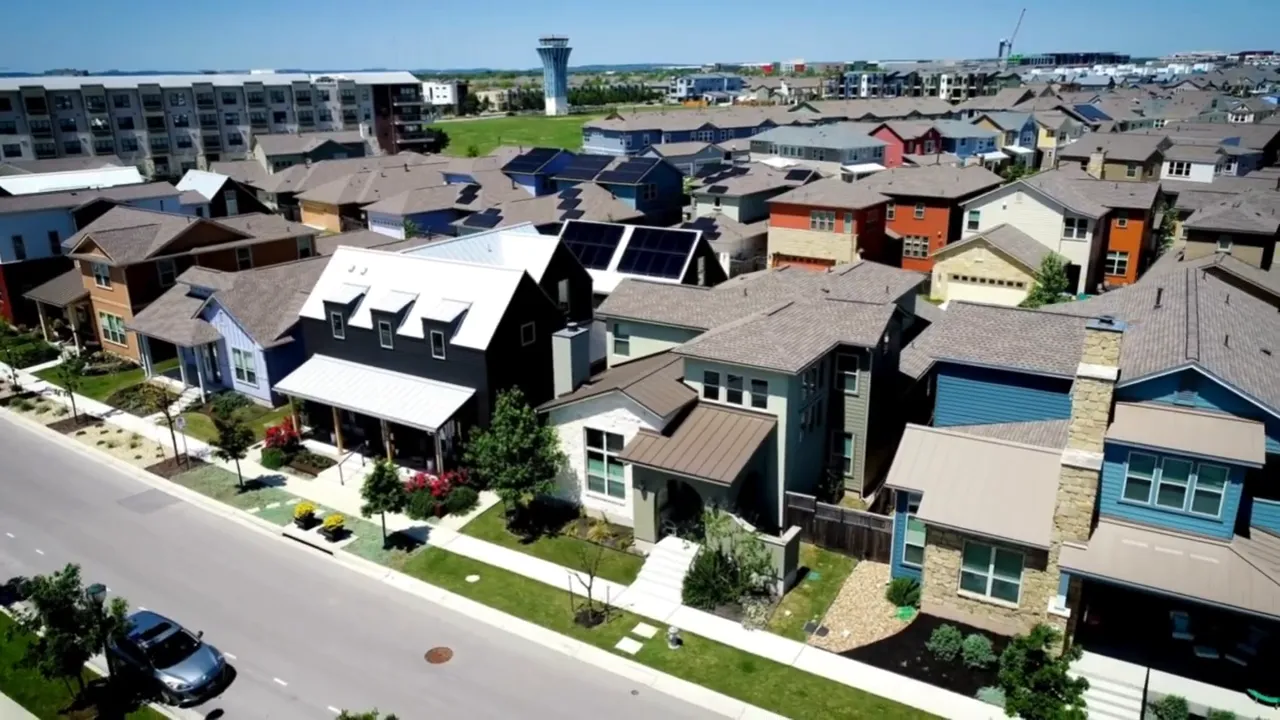
Explore the Local Areas. Search New Builds by Cities
Conclusion
Northern CA real estate after elections is a period of shifting dynamics — quieter markets, potential builder incentives, and changing affordability as rates move. The best approach depends on your timeline and goals. If you plan to hold for years, prioritizing long-term fundamentals and securing a home that fits your needs matters more than perfect market timing.
Acting now can mean fewer competitors, attractive builder packages, and better negotiation leverage. Standing aside until everything feels certain can cost you in rising prices and missed opportunities. If you're ready to buy a home or want help getting started, contact me at (925) 922-3901.
FAQs
How does the election affect housing inventory and prices?
Elections increase uncertainty, which often reduces transaction volume temporarily. Lower activity can create short-term buyer advantages. However, prices may rebound and rise in the following year as confidence returns and demand increases.
Are mortgage rates likely to drop after an election?
Mortgage rates depend on broader economic indicators such as the 10-year Treasury yield, inflation, and job data. Elections influence sentiment but are not the sole driver. Watch Treasury yields and Federal Reserve guidance for better clues.
Should I wait for rates to fall before buying?
Waiting for lower rates is a common instinct, but timing the market is risky. If your horizon is long term, securing a home now can still be a strong financial decision. Consider using rate buydowns or adjustable strategies if you expect rates to decline later.
Why are builders offering rate buydowns and other incentives?
Builders use incentives to accelerate sales, especially in new communities or during slower demand periods. Buydowns, credits, and included upgrades help bridge affordability gaps and make new homes competitive compared with resale options.
Is new construction a better option than resale right now?
New construction can offer predictable finishes, warranties, and temporary incentives. Resale might be better when inventory is plentiful and prices competitive. Evaluate specific offerings, incentives, and long-term neighborhood prospects when choosing.
How can I find the best deals in Northern CA real estate after elections?
Work with an agent who knows local builders and resale inventory, be preapproved for financing, and prioritize neighborhoods with long-term growth potential. Target early-phase communities and monitor builder incentive windows.
READ MORE: Builder Incentives on New Construction Homes in Northern California
Table of Contents
- Introduction
- Historical Patterns for Northern CA Real Estate After Elections
- Stocks First, Real Estate Follows
- How Interest Rates and the 10-Year Treasury Matter
- Why Fear Can Create Opportunity
- New Construction vs Resale in a Post-Election Market
- Builder Incentives and Solar
- Timing the Market vs Time in the Market
- Practical Strategies for Buyers and Sellers
- Negotiation Tips for the Current Market
- What to Watch in the Next 6 to 12 Months
- Conclusion
- FAQs
Introduction
The end of an election cycle often brings a pause. People hesitate, waiting to see policy outcomes, tax changes, or regulatory shifts. That pause translates into fewer home tours, delayed offers, and smaller deal volume. In short, real estate after elections in Northern CA frequently feels quieter because buyers and sellers alike prefer to assess stability before making major financial moves.
That hesitation is normal and predictable. Rather than treating the post-election lull as a sign to sit on the sidelines forever, think of it as a temporary window where motivated buyers and sellers can find advantages. The decision to act depends on goals, timeline, and tolerance for change.
Explore the Local Areas. Search New Builds by Cities
Historical Patterns for Northern CA Real Estate After Elections
Studies from HUD and the National Association of Realtors show a recurring pattern: after the majority of presidential elections, home sales increased the following year. That historical trend doesn’t guarantee future performance, but it highlights an important point — voters and markets adapt, and housing often rebounds once uncertainty fades.
History shows that real estate after elections in Northern CA tends to pick up as buyers regain confidence. If you are watching trends rather than headlines, the post-election year often brings renewed activity and increased transaction volume.
Stocks First, Real Estate Follows
Markets communicate signals in sequence. Stocks often lead, and real estate tends to lag. When equity markets rally — the S&P 500 reaching new highs, for example — consumer sentiment improves, household wealth grows, and buyers feel more comfortable making long-term purchases like homes.
That means you might see the S&P spike first, then a wave of demand move into housing weeks or months later. The reason is practical: gains in stocks increase disposable assets, reduce the friction for down payments, and make buyers more willing to accept long-term mortgage commitments.
How Interest Rates and the 10-Year Treasury Matter
Mortgage rates are closely tied to the 10-year Treasury yield. When investors move money out of Treasuries and into stocks, the 10-year yield rises, and so do mortgage rates. A few percentage points in mortgage rate movement can dramatically change monthly payments and buyer affordability.
Example: A 30-year fixed mortgage moving between 4.9 percent and 7.5 percent changes monthly payments significantly. That difference alters how much house a buyer can afford and whether builders need to offer incentives to make their communities attractive.
Because interest rates respond to inflation, job numbers, and macro policy, predicting the exact timing of rate moves is difficult. But understanding the connection between the 10-year Treasury and mortgage rates helps explain why real estate after elections in Northern CA often sees shifting affordability and incentive strategies.
Why Fear Can Create Opportunity
When uncertainty increases, many prospective buyers wait. That hesitation reduces competition and creates opportunities for those willing or able to act. Fear in the market is often a signal that deals are available.
If you think of markets like a scale, emotions tilt one way or the other. When many lean toward fear, prices and incentives are frequently more favorable for buyers. Conversely, when optimism floods the market, competition heats up and incentives disappear.
New Construction vs Resale in a Post-Election Market
New construction behaves differently from resale homes. Builders control supply in specific phases and often use incentives to accelerate sales when demand is soft. That can include mortgage rate buydowns, closing cost credits, upgrades, and other concessions.
Resale inventory, on the other hand, is subject to seller motivations and local competition. If a resale home draws multiple offers, concessions vanish quickly. That’s why, in cooler periods after elections, builders can become the source of some of the best value propositions.
For buyers relocating to a growing region, new communities often offer entry points into desirable school districts and neighborhoods that will appreciate as phases develop. The catch: builders’ incentives are time limited. Once a community gains traction, incentives shrink.
Builder Incentives and Solar
Many builders adjust their packages to meet buyers where they are. In some California communities, solar systems now come included or are reflected in the home price due to state rules. That can be a meaningful line item, with solar values ranging from roughly $15,000 to $30,000 depending on house size.
Builders may combine included features with buyer-facing incentives such as:
- Mortgage buydowns(temporary or permanent rate reductions)
- Closing cost credits
- Upgrades or included appliances
- Fixed-rate offers via preferred lenders
These packages make buying a new home more affordable today and can increase initial monthly savings. But remember: incentives are negotiation points and can be scaled back as demand increases.
Timing the Market vs Time in the Market
Two important truths:
- It is nearly impossible to consistently time peaks and troughs. Missing a few big up days in markets can cost more than long-term exposure gains. The same logic applies to housing — the longer you hold a property, the more you benefit from mortgage paydown and compounding appreciation.
- Buying when markets feel fearful often yields better entry points. Waiting for absolute certainty can mean buying later at a higher price with more competition.
For example, the S&P 500 moved from about 4,967 to roughly 5,985 in a period, a substantial gain. Chasing momentum is tempting. But consistent investing and staying in the market historically outperform perfect timing attempts. That mindset maps well to real estate after elections in Northern CA: steady ownership and a long horizon often beat trying to buy the exact bottom.
Practical Strategies for Buyers and Sellers
Whether you are buying a primary home or an investment property, your plan should align with your timeline and risk tolerance. Use these practical strategies for navigating real estate after elections in Northern CA.
For buyers
- Prioritize affordability and monthly payment impact. A lower interest rate can mean hundreds of dollars monthly. Evaluate purchase price and rate offers together.
- Consider new builds for structured incentives. Builders can provide rate buydowns or credits that improve affordability immediately.
- Focus on long-term ownership. If your timeline is 5 to 20 years, small timing differences are less important than choosing the right home and financing.
- Get a local expert. A real estate professional who knows specific developments and builder programs can be worth their weight in negotiation leverage.
For sellers
- Price with market context. If demand is low immediately after an election, staging and realistic pricing help your property stand out.
- Be prepared to offer concessions if competition is weak. Seller credits or minor upgrades may close deals faster.
- Time upgrades to buyer expectations. Small investments in curb appeal and essential repairs often yield outsized returns in softer markets.
Negotiation Tips for the Current Market
Negotiation is part art, part preparation. Here are tactics that work well when activity is muted after elections.
- Ask for buydowns rather than price cuts. Sellers or builders may prefer offering a temporary interest rate buydown to increase buyer affordability without lowering list price.
- Bundle requests. Asking for one strong concession often gets better results than a long list of small asks.
- Use preferred lender relationships. Builders often respond to offers paired with certain lenders who can deliver advertised rates; use that leverage if it aligns with your interests.
- Look for phase-one opportunities. Early-phase lots and communities may still offer larger packages to attract the first wave of buyers.
What to watch in the next 6 to 12 months
Keep your eyes on these indicators when monitoring real estate after elections in Northern CA:
- Mortgage rate trends. Any meaningful decline in the 10-year Treasury yield often precedes lower mortgage rates and increased buyer demand.
- Stock market moves. A sustained rally can bring buyer optimism and liquidity for down payments.
- Builder inventory and incentives. Watch whether incentives shrink as communities sell quickly; that signals rising competition.
- Local development activity. Areas in early phases with strong school districts often experience faster appreciation as infrastructure fills in.
One useful rule of thumb: an approximate 1 percent drop in mortgage rates can qualify several million additional buyers nationwide, which quickly increases competition. That dynamic makes current incentives and quieter market conditions potentially temporary.
Explore the Local Areas. Search New Builds by Cities
Conclusion
real estate after elections in Northern CA is a period of shifting dynamics — quieter markets, potential builder incentives, and changing affordability as rates move. The best approach depends on your timeline and goals. If you plan to hold for years, prioritizing long-term fundamentals and securing a home that fits your needs matters more than perfect market timing.
Acting now can mean fewer competitors, attractive builder packages, and better negotiation leverage. Standing aside until everything feels certain can cost you in rising prices and missed opportunities. If you're ready to buy a home or want help getting started, contact me at (925) 922-3901.
FAQs
How does the election affect housing inventory and prices?
Elections increase uncertainty, which often reduces transaction volume temporarily. Lower activity can create short-term buyer advantages. However, prices may rebound and rise in the following year as confidence returns and demand increases.
Are mortgage rates likely to drop after an election?
Mortgage rates depend on broader economic indicators such as the 10-year Treasury yield, inflation, and job data. Elections influence sentiment but are not the sole driver. Watch Treasury yields and Federal Reserve guidance for better clues.
Should I wait for rates to fall before buying?
Waiting for lower rates is a common instinct, but timing the market is risky. If your horizon is long term, securing a home now can still be a strong financial decision. Consider using rate buydowns or adjustable strategies if you expect rates to decline later.
Why are builders offering rate buydowns and other incentives?
Builders use incentives to accelerate sales, especially in new communities or during slower demand periods. Buydowns, credits, and included upgrades help bridge affordability gaps and make new homes competitive compared with resale options.
Is new construction a better option than resale right now?
New construction can offer predictable finishes, warranties, and temporary incentives. Resale might be better when inventory is plentiful and prices competitive. Evaluate specific offerings, incentives, and long-term neighborhood prospects when choosing.
How can I find the best deals in real estate after elections in Northern CA?
Work with an agent who knows local builders and resale inventory, be preapproved for financing, and prioritize neighborhoods with long-term growth potential. Target early-phase communities and monitor builder incentive windows.
READ MORE: Builder Incentives on New Construction Homes in Northern California