

Builder Incentives on New Construction Homes in Northern California
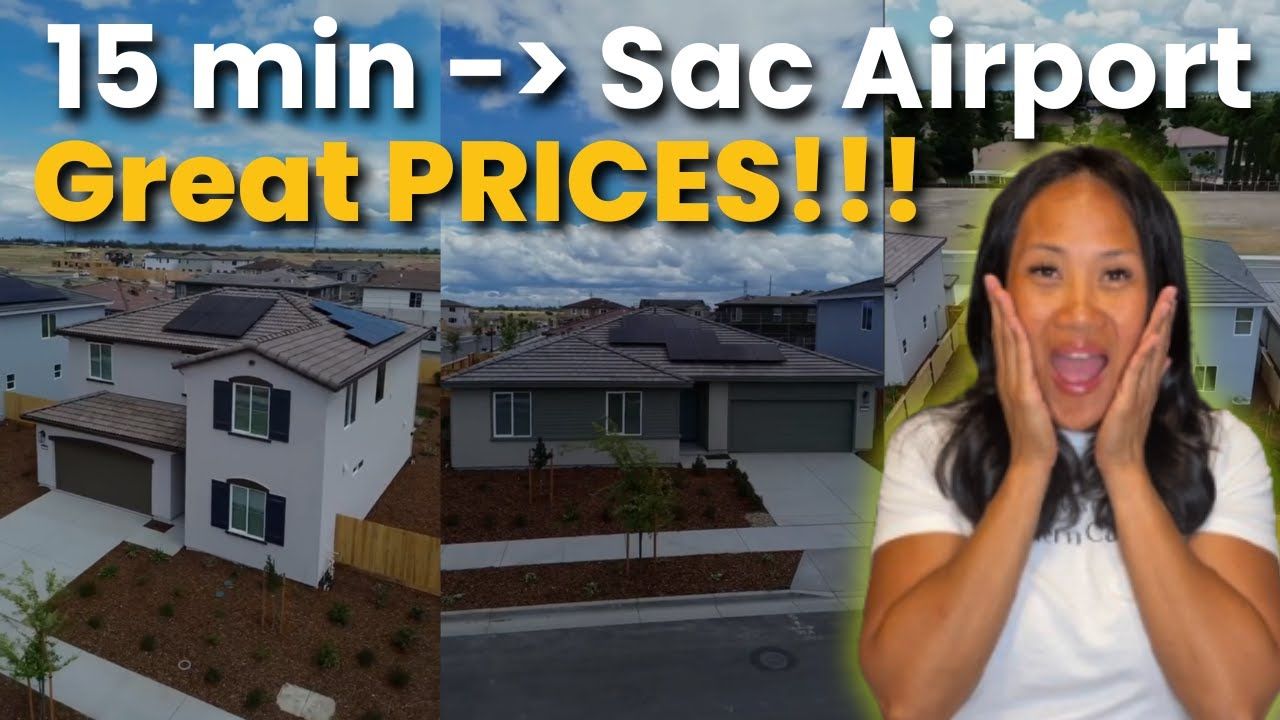
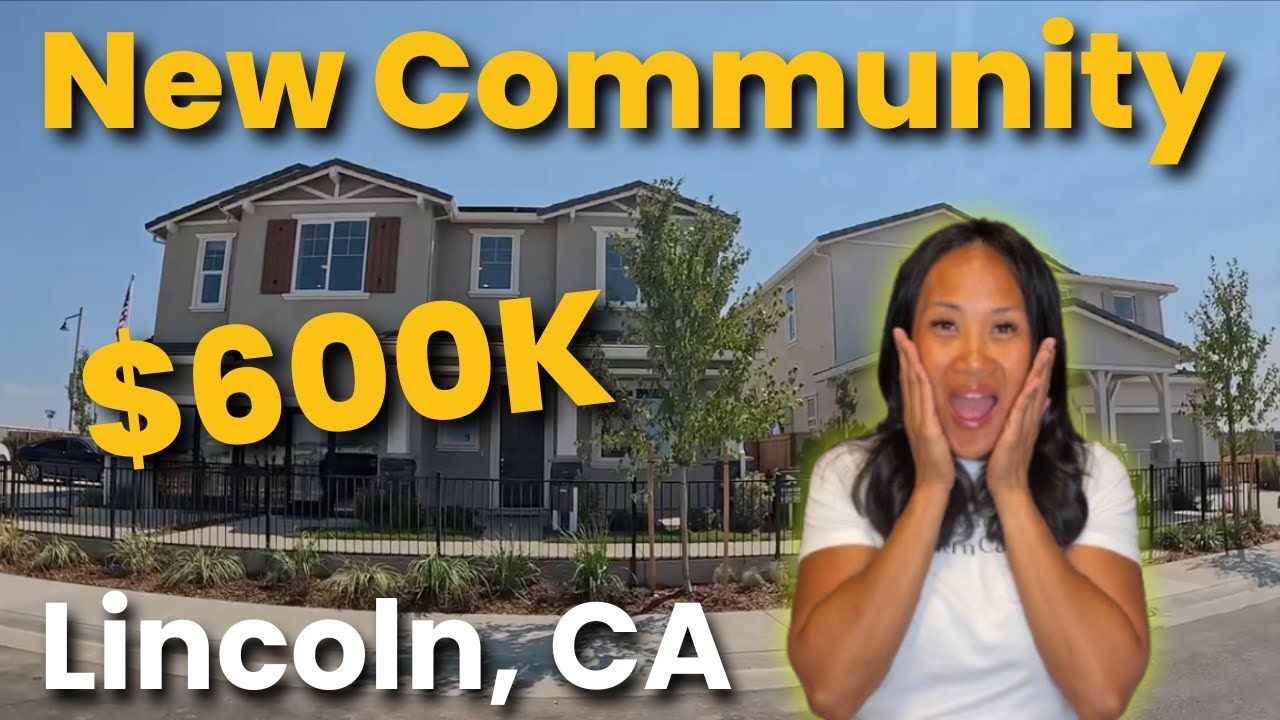
New construction builder incentives in Northern California are showing up across many communities right now, and the deals are real. Interest rates are higher than they were a few years ago, but builders are responding with aggressive incentives on quick move-in homes, spec properties, and model homes. If you are watching the market for new construction, knowing how these incentives work, when they appear, and how to negotiate them can save you tens of thousands of dollars and hundreds each month on your mortgage payment.
Table of Contents
- Introduction
- Types of Incentives You Are Likely to See
- Real Examples That Show What’s Possible
- How Builders Use Interest-Rate Incentives
- Why Using an Experienced Agent Matters
- Timing Matters and It Changes Fast
- New Construction vs Resale: Why Builders Can Be More Flexible
- Negotiation Checklist for New Construction
- Quick Math: How Incentives Affect Monthly Payments
- Solar on New Construction: What to Watch For
- FAQs
- Final Thoughts
Introduction
Over the last few weeks we've seen a clear pattern: builders who have inventory ready to move into within 30 to 60 days are offering better incentives than they have in a long time. These incentives include lower interest rates, price reductions, buydowns, closing-cost contributions, and even solar included as part of the purchase price.
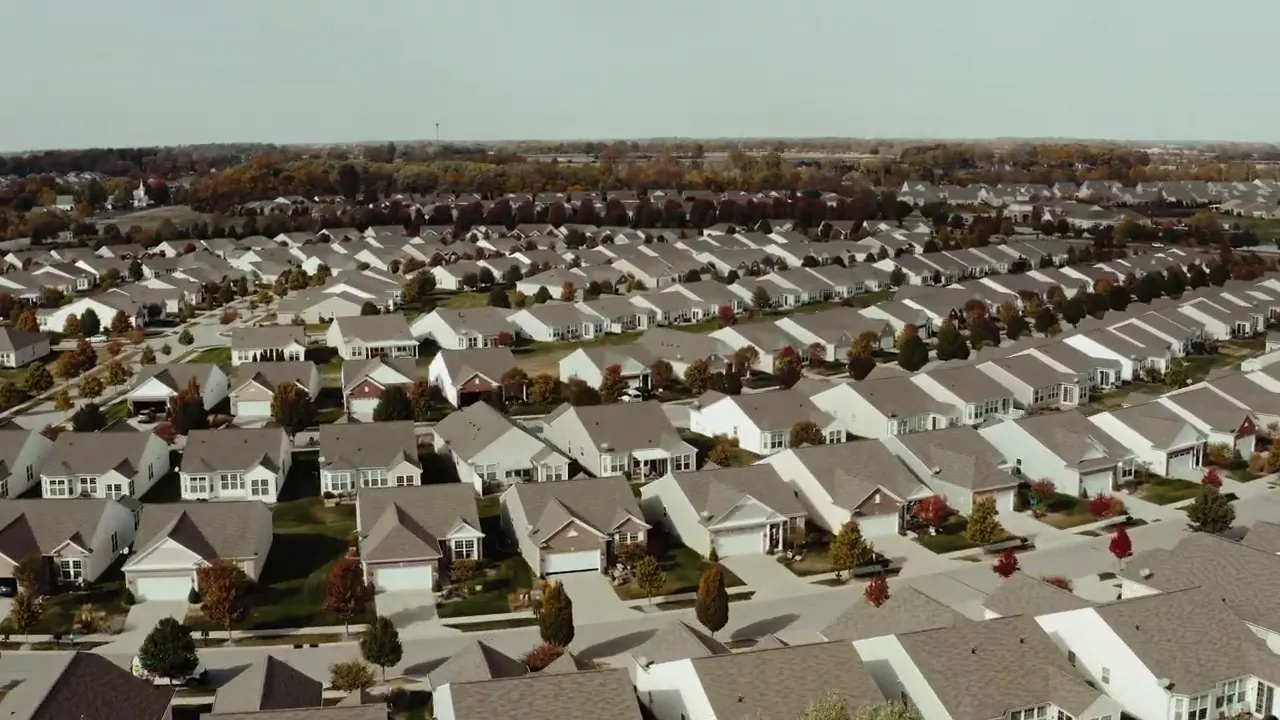
Why are builders doing this? The short answer is simple: affordability softness from higher interest rates has pushed many buyers to the sidelines. Builders selling hundreds or thousands of homes nationwide know how to get inventory moving. They run campaigns to incentivize buyers now so neighborhoods don’t stagnate. That creates opportunities for buyers and for well-connected agents who negotiate with builder management on a regular basis.
Explore the Local Areas. Search New Builds by Cities
Types of Incentives You Are Likely to See
- Interest rate buydowns: Builders can purchase a lower rate for you through their lender partners or offer temporary rate buydowns (for example, lowering a 7% market rate to something in the 4s or 5s).
- Price reductions: Flat dollar reductions off the list price for quick move-in inventory.
- 2-1 or 3-2 buydowns: Temporary monthly payment reductions during the first one to three years to ease new buyers into their mortgage.
- Closing-cost credits: Builder-paid closing costs that reduce the cash needed at closing.
- Solar incentives: Inclusion of owned solar panels in the base pricing or steep discounts to buy solar rather than lease it.
Real Examples That Show What’s Possible
We recently negotiated a deal where a client received $15,000 off the price, a pulled interest rate around 5.25% from the builder’s lender, plus a 2-1 buydown on top of that. The most notable part was the inclusion of owned solar. Solar is required on new homes built since 2020, but most builders either push a lease option or pass the cost to buyers. Getting owned solar included in the purchase price is a rare win and can amount to roughly $20,000 or more in value.
In another case we got a builder to drop $25,000 off the price while the buyer added an owned solar system that cost only about $15,000 after incentives. That combination made the overall out-of-pocket and monthly impact far more manageable than it would seem at first glance.
How Builders Use Interest-Rate Incentives
When market interest rates are around 7% and a builder offers to buy a lower rate — for example, to 4.99% or even 3.99% for qualified buyers — the monthly savings can be dramatic. For a $600,000 loan at 6.99% the principal-and-interest payment is roughly $3,988 per month. At 4.99% that same loan drops to about $3,217 per month — nearly $700 less every month. That difference adds up quickly over years and makes many homes affordable that would otherwise be out of reach.
Because builders can purchase rates or fund buydowns, the buyer does not bear that immediate cost. The builder treats the incentive as a marketing expense to move inventory and hit sales targets. In short, when you can get a lower rate through the builder, you’re leveraging a large company’s marketing budget for your benefit.
Why Using an Experienced Agent Matters
Builder sales teams represent the builder, not the buyer. A buyer can walk in unrepresented and negotiate, but they rarely see the full extent of what a well-connected agent can secure. Agents who bring consistent volume to a builder develop relationships with regional managers and incentive programs change rapidly. Agents who track what inventory is aging and what end-of-quarter or end-of-year quotas are coming up can push for sweeter deals.
Working with an agent who understands new construction means you get someone who knows how to:
- Identify quick move-in inventory with the best leverage
- Structure offers that appeal to builder sales managers
- Stack incentives (price reduction, buydowns, closing costs, solar)
- Know the cycles when builders are most motivated
Book a 15-minute strategy call with us to help get started on your home buying journey.
Timing Matters and It Changes Fast
Builders will increase incentives when inventory is moving slowly, and they will pull back when sales pick up. We’ve seen weeks where incentives were expanded and weeks immediately after where builders said they sold so many homes that prices and incentives returned to previous levels. That dynamic makes timing critical: act when inventory is available and incentives are generous.
There are also predictable windows of leverage. End of quarter and end of year are classic times when builders want to hit targets and will sweeten deals. But micro-windows open anytime a community has a stretch of homes that need to close quickly. That is where agent relationships and daily market knowledge turn into real savings for buyers.
Should you wait for mortgage rates to drop?
Many buyers say they will wait for interest rates to fall before buying. That makes sense on the surface, but waiting has tradeoffs. When rates drop, more buyers qualify and more buyers enter the market. That competition often pushes prices up and removes the very incentives builders are using now to stimulate demand.
Every 1% drop in mortgage rates can add roughly 5 million more households that qualify for mortgage loans. That flood of buyers can create bidding pressure, multiple offers, and rising prices. The result: lower rates but higher purchase prices and fewer builder incentives.
For many buyers right now, the smartest approach is to take advantage of a builder incentive that reduces your effective rate or payment today rather than wait for an uncertain future where prices might be higher and incentives gone.
New Construction vs Resale: Why Builders Can Be More Flexible
Individual sellers typically have one property to sell and most are not set up to make concessions that feel like wholesale marketing. Builders, by contrast, sell thousands of homes and understand volume economics. They will offer incentives because it sells houses and helps them manage inventory velocity across a region. That operational difference explains why new construction builder incentives in Northern California can be more meaningful than seller concessions on resale homes.
Also, changes in resale market mechanics — such as the negotiation of buyer agent compensation and seller credits — have created friction. Sellers may be less willing to provide credits for closing costs plus pay expanded buyer agent fees. Builders internalize these costs differently and can roll incentives into larger marketing and financing packages.
Where these incentives are strongest
The Sacramento region and select pockets of the Bay Area currently show the most active incentives for new construction. Growth in jobs, relocation from urban cores, and large-scale master planned communities have created strong demand and extensive construction activity. Many developers are building thousands of homes with schools, parks, and retail on the way. That scale creates predictable inventory that builders want to move, which is when incentives appear.
If you are interested in relocating to this region, consider that a combination of quality of life, growing job markets, and competitive new construction pricing makes it attractive for first-time buyers and families relocating from other states.
Negotiation Checklist for New Construction
- Identify quick move-in or spec homes that need to close soon.
- Ask for the builder’s pull rate or lender-subsidized rate and compare to market rates.
- Request a combination of price reduction, buydown, and closing-cost credit rather than just one incentive.
- Negotiate solar inclusion or a deep discount to purchase owned solar instead of leasing.
- Work with us, an agent who brings business and relationships to the builder; that increases leverage.
- Watch inventory velocity: if a builder sells a lot of homes quickly, incentives may be pulled back.
Quick Math: How Incentives Affect Monthly Payments
Here is a simplified example to illustrate impact. For a $600,000 loan:
- At 6.99% the principal and interest payment is about $3,988 per month.
- If a builder secures a 4.99% rate for you, that payment drops to about $3,217 per month — nearly $700 saved monthly.
This example excludes taxes and insurance, but it demonstrates how a builder-funded rate buy down or lender pull rate directly improves monthly affordability. The builder essentially pays a marketing cost to make the house more affordable for your first years in the home.
Solar on New Construction: What to Watch For
Solar is now required on new homes built since 2020 in many jurisdictions. Builders handle solar in different ways: some include it in the base price, others offer it as an optional purchase, and some only offer leasing programs that can add monthly payments. When a builder includes owned solar in the price, that can be a major value add and reduce long-term energy costs. When they treat solar as an add-on, expect to factor roughly $15,000 to $25,000 onto the total cost to buy it outright.
Explore the Local Areas. Search New Builds by Cities
FAQs
How are builders offering lower interest rates when market rates are high?
Builders typically work with preferred lenders who can package a lower rate or fund a buydown. The builder pays the lender as part of an incentive program, effectively buying down the borrower’s rate for a period or for the life of the loan depending on the agreement.
Will incentives disappear if I wait a few weeks?
Possibly. Incentives ebb and flow with inventory. If a builder moves a lot of homes quickly, they will often reduce or remove incentives once their backlog clears. That is why timing and local market knowledge are important.
Can I get solar included in the home price?
Some builders include owned solar as part of the base price, but many do not. When it is not included, buyers should negotiate price reductions or offsets that effectively cover the cost to buy solar, or negotiate a favorable purchase price for the solar system.
Do I need an agent to negotiate these incentives?
No, but working with an experienced agent who regularly negotiates new construction can secure better terms. Agents who bring regular business to builders have relationships with management and can ask for more aggressive incentives on behalf of their clients.
How do incentives affect resale value?
Incentives can improve affordability and get buyers into homes. In many growing communities, the combination of new infrastructure, schools, and amenities supports long-term value. That said, every community is different; consider future supply and demand when projecting resale value.
Final Thoughts
New construction builder incentives in Northern California are creating a window of opportunity. Builders are offering significant concessions — lower rates, price reductions, buydowns, and solar incentives — to move quick-turn inventory. These offers may not last forever, and they vary by community and by builder.
If affordability is a concern because interest rates are higher than a few years ago, consider that builder incentives can materially change monthly payments and up-front cash requirements. Working with an agent who knows the builders, the communities, and the timing can make the difference between a marginal deal and a transformational one.
New construction builder incentives in Northern California will continue to change with inventory and market conditions. For buyers who are prepared and well-advised, the current cycle offers real advantages that are worth evaluating now rather than waiting for an uncertain future where competition may remove those same advantages.
If you're ready to explore these opportunities or need help getting started on your home‑buying journey, contact me or book a free 15‑minute strategy call — we'll help you assess incentives and create a plan that fits your goals. Call or text: (925) 922‑3901 or book a 15‑minute strategy call.